
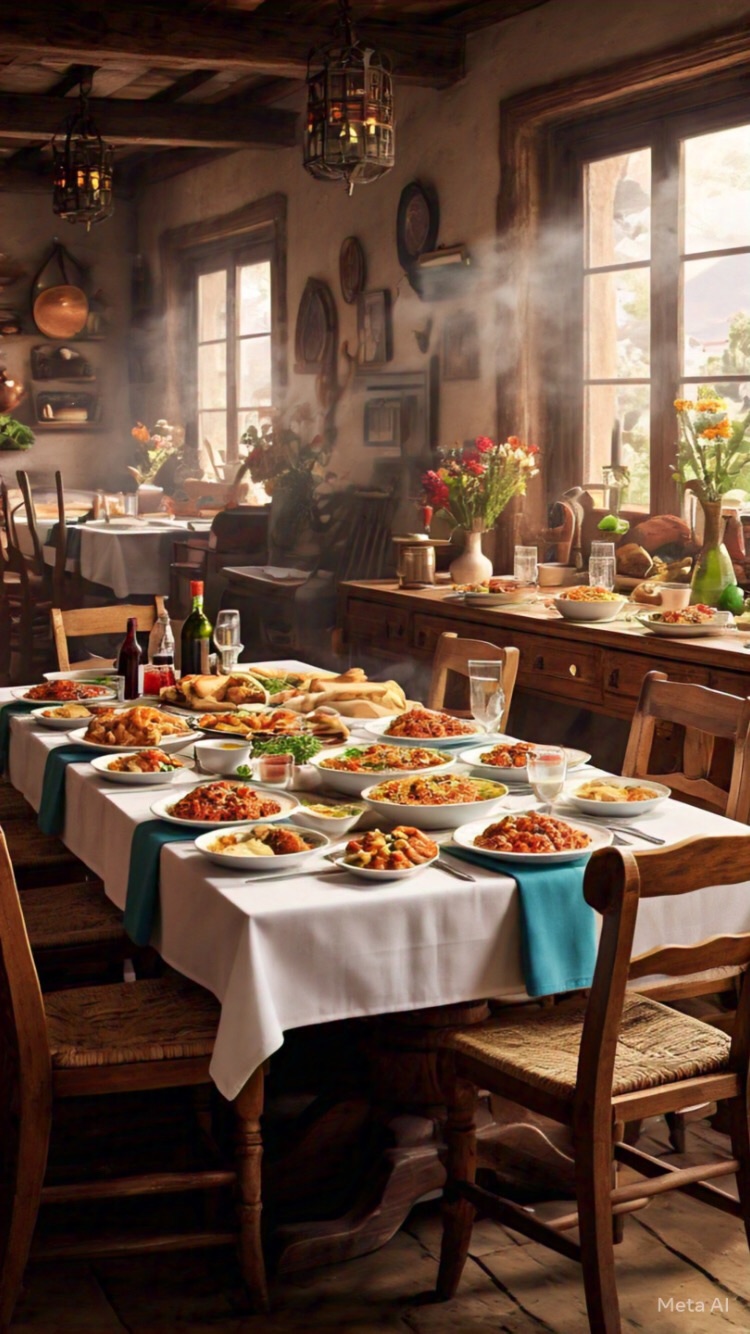
Hey All ! Last night, I whipped up my “Chicken Bacon Mushroom Fettuccini with Aioli Sauce” for my family of eight, and let me tell you, it was a feast! 😋
Have you ever wonder why that seemingly simple pasta dish at your favourite restaurant costs a small fortune? Let’s dive into the delicious details and uncover the secrets behind those restaurant markups! 🕵️♂️
Unmasking Restaurant Prices: Is Your Pasta Worth It?
My “ Chicken Bacon Mushroom Fettuccine with Aioli sauce “ was a sweet success! But here’s the kicker: the cost breakdown. At home, with my chef services (ahem, that’s me!) absolutely free, the total came to just $41.06, or about $5.14 per serving. Not bad, right? 😉 ( Not including my side of Garlic Butter Shrimp Concassé – Recipe coming soon) .
Now, let’s step into the restaurant world. Things get a tad pricier. You see, it’s not just about the ingredients. They’ve got labor, rent, utilities, insurance, and equipment maintenance. And don’t forget those franchise fees (if it’s a chain like Boston Pizza)!
Restaurant reality: $22.79 per serving (and that’s before all the extras!). If we take Boston Pizza as an example, their Chicken Mushroom Pasta goes for $22.79 per plate.
While the raw ingredients for Boston Pizza pasta dish cost approximately $5 per plate, restaurants face a multitude of expenses beyond just the food itself.
These include:
• Labor Costs: Paying skilled chefs, waitstaff, and other employees.
• Overhead Costs: Covering rent, utilities, insurance, and equipment maintenance.
• Profit Margins: Restaurants need to generate a profit to sustain their business.
• Franchise Fees (for chains like Boston Pizza): Franchisees pay a percentage of their revenue to the parent company, adding another layer of cost.
The 33% Myth: A Closer Look
You’ve likely heard about the 33% food cost rule. While it’s a common guideline, it’s not always the whole story. In our case, the food cost for our pasta dish was closer to 22.55%. This lower percentage can be attributed to factors like:
• Negotiated Supplier Contracts: Restaurants often have deals with suppliers, leading to lower ingredient costs.
• High-Volume Operations: Chain restaurants like Boston Pizza can leverage their size to negotiate better prices.
The Bottom Line: Why Pasta Prices Soar
So, why does that seemingly simple pasta dish cost so much more at a restaurant? The answer lies in the complex web of costs that restaurants must cover, including franchise fees for chains like Boston Pizza. While the food cost percentage might be lower than expected, the additional expenses associated with running a restaurant significantly impact the final price.
Boston Pizza Pasta Tuesday Night Promo
That being said, when Boston Pizza have their Pasta Tuesday Night Promotion, the cost is then 33%, so they’re still making money during their promotion! 😉
In Conclusion:
Remember, while restaurants have their own set of challenges, cooking at home offers greater control over your costs and ingredients. So, why not roll up your sleeves and create your own culinary masterpiece?
Don’t forget to check out my recipe for Chicken Bacon Mushroom Fettuccini with Aioli Sauce. It’s so delicious! 😋
Cheers !





Leave a Reply