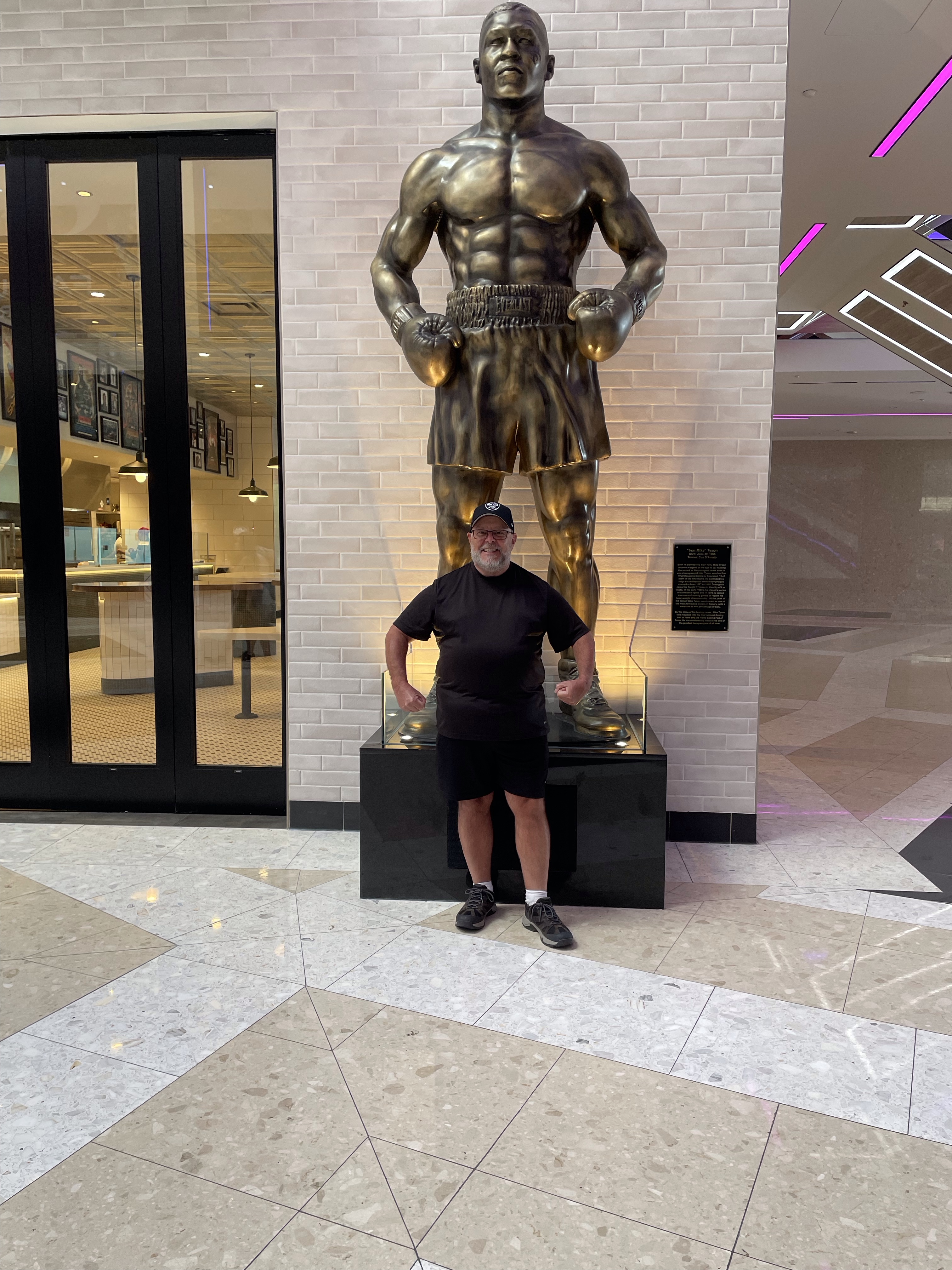

Hey there, Foodie Fans!
Are you tired of those “health gurus” dangling a “free” booklet in front of you, only to bombard your inbox with endless sales pitches? We hear you! At ChefBari.com, we believe that empowering you to improve your health should be genuinely free and straightforward. Your well-being isn’t something to gate-keep, it’s something to share!
That’s why I’m thrilled to give all my amazing foodie fans instant access to my FREE 14-Day Fat Loss and Muscle Building Plan! No strings attached, just pure, practical guidance to help you transform your body for life. Let’s get healthy together!

Your 14-Day Blueprint: Lose Fat, Build Muscle, Transform!
We’ll combine balanced nutrition with effective exercise, all while keeping your calorie intake between 1800-2000.
Important Disclaimer: This is a general guide based on common fitness principles and your provided calorie range. It is not a substitute for personalized medical, dietary, or fitness advice. Please consult with a healthcare professional, registered dietitian, or certified personal trainer before starting any new diet or exercise program, especially if you have any health conditions or concerns. Listen to your body, and adjust as needed.
Part 1: Science-Backed Principles for Success
To achieve fat loss and muscle gain simultaneously (often called “body recomposition”), we’ll focus on these key pillars:
1. Protein Power: Protein is crucial for building and repairing muscle tissue. It also helps with satiety, keeping you feeling fuller for longer. Aim for a good source in every meal.
2. Smart Carbs: Prioritize complex carbohydrates (whole grains, vegetables, fruits) for sustained energy and fiber. Limit refined sugars and processed carbs.
3. Healthy Fats: Essential for hormone production, nutrient absorption, and overall health. Include sources like avocados, nuts, seeds, and olive oil in moderation.
4. Calorie Deficit (Slight): To lose fat, you need to consume slightly fewer calories than your body burns. Your 1800-2000 calorie target is within a good range for this for most individuals aiming for body recomposition.
5. Strength Training: This is the cornerstone for building and maintaining muscle. Focus on compound exercises that work multiple muscle groups.
6. Cardio (Strategic): Incorporate cardio for heart health, improved endurance, and to contribute to your calorie deficit.
7. Hydration: Drink plenty of water throughout the day. It’s vital for metabolism, energy, and overall bodily functions.
8. Sleep & Recovery: Muscles grow and repair during rest. Aim for 7-9 hours of quality sleep.
9. Consistency: This is the most crucial ingredient. Stick to your plan as much as possible, and don’t get discouraged by minor setbacks.

Part 2: 14-Day Food Plan (1800-2000 Calories)
OK ! Let’s talk about food foodies ! ( You see what I did there 😂)
This plan offers ideas and options. Focus on the types of food and portion control. Adjust quantities to fit your exact calorie target and preferences.
General Guidelines:
• Portion Control: Use measuring cups/spoons or a food scale for accuracy, especially initially.
• Cooking Methods: Prioritize baking, grilling, steaming, or stir-frying with minimal healthy oils (like olive oil).
• Seasoning: Use herbs, spices, lemon juice, and vinegar to add flavour without excess calories.
• Hydration: Drink 8-10 glasses of water daily.
• Coffee/Tea: Unsweetened coffee or tea are fine. **( Don’t about you but I must of a little milk in my coffee) **

Week 1 Sample Food Plan:
• Day 1
◦ Breakfast (approx. 350-400 kcal): 1/2 cup rolled oats cooked with water/unsweetened almond milk, topped with 1/4 scoop protein powder (mixed in), 1/4 cup berries, and 1 tbsp **chia seeds. ( optional)
◦ Lunch (approx. 500-550 kcal): Large mixed green salad with 4-5 oz grilled chicken breast, 1/2 cup chickpeas, a variety of colourful veggies, and 2 tbsp olive oil & vinegar dressing.
◦ Snack (approx. 150-200 kcal): 1 small apple with 2 tbsp natural peanut butter. ( That means no sugar. I know, I know… Kraft or Skippies is better because of the added sugar. )
◦ Dinner (approx. 700-750 kcal): 5-6 oz baked salmon, 1 cup roasted sweet potato or butternut squash or half baked potato , and 1.5 cups steamed green beans with a drizzle of olive oil. Place low fat cottage cheese or plain Greek yogurt on potato; just watch portion.
**Need to curb cravings when watching TV ? Have 1/2 bag of microwave popcorn, or a small apple .**
• Day 2
◦ Breakfast (approx. 350-400 kcal): Scrambled , poached or boiled eggs (3 large) with 1 slice whole-wheat toast or English muffins and 1/2 avocado.
◦ Lunch (approx. 500-550 kcal): Whole-wheat or 2 small keto wraps with 4 oz lean thinly sliced chicken breast, lots of lettuce, tomato, cucumber, and 1 tbsp hummus. Side of carrots, cucumbers or broccoli.
◦ Snack (approx. 150-200 kcal): Greek yogurt (150g plain, non-fat) with a sprinkle of cinnamon.
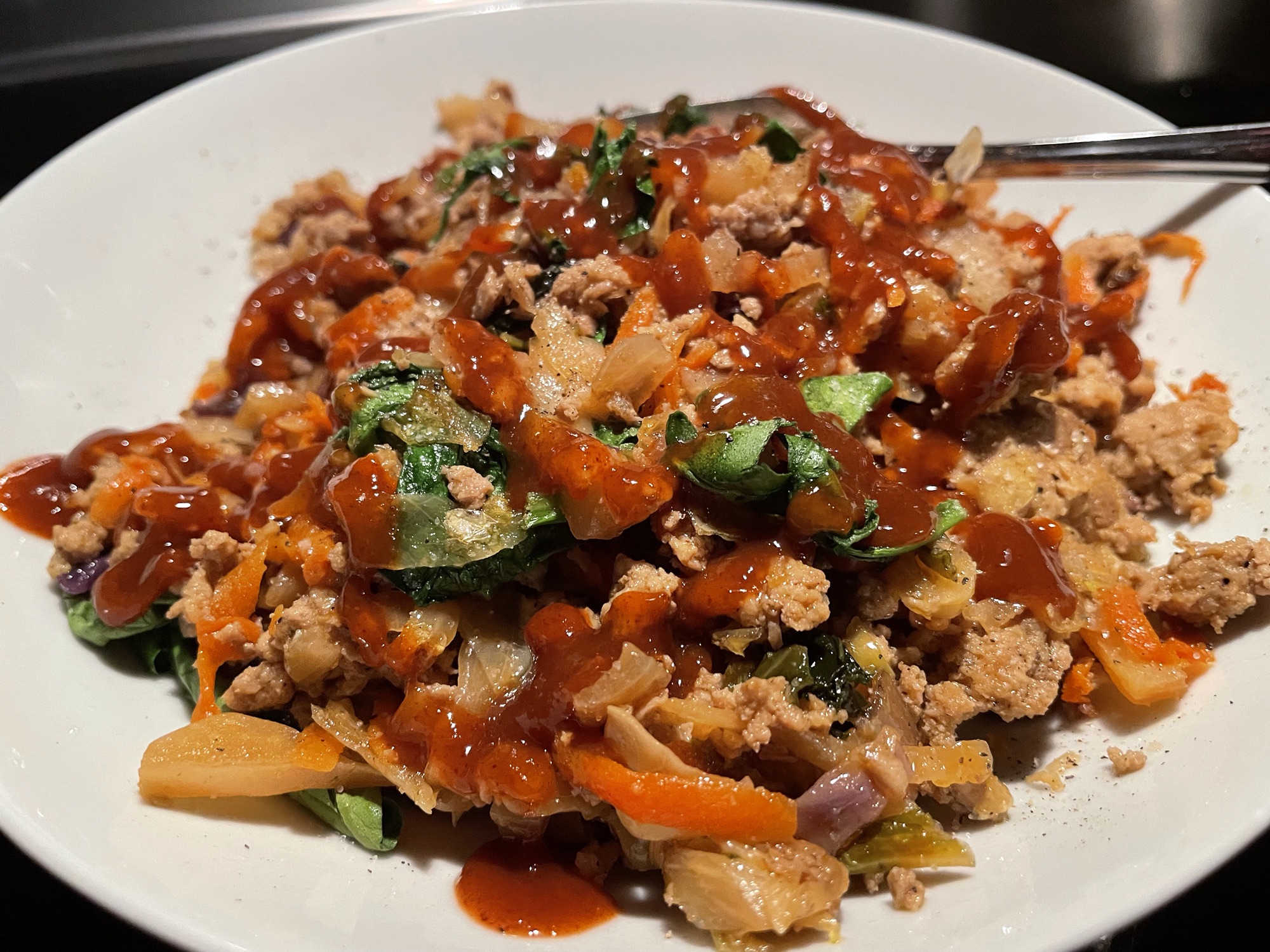
◦ Dinner (approx. 700-750 kcal): Lean ground turkey stir-fry (4-5 oz) with 2 cups mixed vegetables (broccoli, bell peppers, snap peas) and 1/2 cup cooked rice. Use low-sodium soy sauce or tamari. OR – try my “Eggroll in a Bowl” recipe

• Day 3
◦ Breakfast (approx. 350-400 kcal): Protein smoothie: 1 scoop protein powder, 1 cup spinach, 1/2 banana, 1/2 cup berries, 1 cup unsweetened almond milk. Want it sweet ? Add **monk fruit **
◦ Lunch (approx. 500-550 kcal): Leftover turkey stir-fry or my Eggroll in a bowl
◦ Snack (approx. 150-200 kcal): Handful of almonds or walnuts (1/4 cup).
◦ Dinner (approx. 700-750 kcal): Lean beef burger wrapped in lettuce leaves with sliced tomatoes, cucumbers and onions . Add light mayonnaise if need be and mustard. Believe it or not, but a tablespoon of plain Greek yogurt w/ mustard does the trick too ! Just saying…
• Day 4-7: Repeat Days 1-3, or mix and match elements.
Focus on what you have in your kitchen – always plan ahead!
Use varying protein sources (chicken, fish, lean beef, turkey, eggs ) complex carbs (oats, quinoa, brown rice, sweet potatoes, whole grain bread/keto wraps), and plenty of non-starchy vegetables. Add another small snack if needed to hit calorie target (e.g., small piece of fruit, rice cakes with a thin layer of peanut butter).
Week 2 Sample Food Plan:
• Day 8
◦ Breakfast (approx. 350-400 kcal): Cottage cheese (1 cup, low-fat) or Greek yogurt with 1/2 cup pineapple or blueberries, strawberries and 1 tbsp flax seeds.
◦ Lunch (approx. 500-550 kcal): Tuna salad (made with Greek yogurt or light mayo) on 2 whole-grain rice cakes or one piece of whole-grain toast or keto wrap ( available at Costco) with a side salad. (4-5 oz canned tuna).
◦ Snack (approx. 150-200 kcal): Hard-boiled eggs (2).
◦ Dinner (approx. 700-750 kcal): Chicken and veggie skewers (5-6 oz chicken, bell peppers, onions, zucchini), grilled, with 1 cup of rice. You can also make a chicken stir fry with no sauce ; enhance flavour with fresh minced garlic and Kikkoman soya sauce ( just make sure no sugar added)
• Day 9
◦ Breakfast (approx. 350-400 kcal): English muffin (1) with 2 poached eggs and 1/2 cup sautéed mushrooms/spinach.
◦ Lunch (approx. 500-550 kcal): Large bowl of lentil soup (approx. 2 cups) with 1 slice whole-grain bread.
◦ Snack (approx. 150-200 kcal): A small handful of walnuts or almonds (1/4 cup).
◦ Dinner (approx. 700-750 kcal): Baked cod or Salmon (5-6 oz) with 1.5 cups roasted broccoli and a small baked potato (4-5 oz) with a dollop of plain Greek yogurt.
◦ Note : You can buy the ***Atlantic frozen salmon*** pieces at Costco ; it costs me $45 per bag for around 8 pieces of good sized 5-6 oz) Salmon. Place on lined baking sheet. Squeeze fresh lemon juice on top , season with salt and pepper, and a sprinkle of dill weed. Place in the oven in frozen state at 400 degree F for 25-30 minutes. Let rest for 5 minutes and serve.
• Day 10
◦ Breakfast (approx. 350-400 kcal): Protein pancakes (You can purchase at Costco too ) – 2 small pancakes with berries.
◦ Lunch (approx. 500-550 kcal): Leftover salmon and veggies.
◦ Snack (approx. 150-200 kcal): Rice cakes (2) with 1 slice low-fat cheese.
◦ Dinner (approx. 700-750 kcal): Turkey chilli (1.5 cups, lean ground turkey, beans, tomatoes, fresh minced garlic, ) with a small sprinkle of low-fat cheese, but necessary.
• Day 11-14: Repeat Days 8-10, or continue mixing and matching. Focus on variety (protein, carbs, fats) within your calorie range.

Part 3: 14-Day Exercise Plan
This plan combines strength training (3-4 days/week) with cardiovascular exercise and rest for optimal results.
Key Concepts:
• Warm-up (5-10 minutes before each workout): Light cardio (jogging in place, jumping jacks) and dynamic stretches (arm circles, leg swings).
• Cool-down (5-10 minutes after each workout): Static stretches, holding each for 20-30 seconds.
• Progression: Aim to gradually increase the weight, repetitions, or sets over time for strength training. For cardio, increase duration or intensity.
• Form Over Weight: Always prioritize proper form to prevent injury and maximize muscle activation. Watch videos if unsure.
Week 1 Exercise Plan:
• Day 1: Full Body Strength
◦ Squats: 3 sets of 8-12 reps
◦ Push-ups (on knees or toes): 3 sets of as many reps as possible (AMRAP)
◦ Dumbbell Rows (or resistance band rows): 3 sets of 8-12 reps per arm
◦ Plank: 3 sets, hold for 30-60 seconds
◦ Lunges: 3 sets of 8-12 reps per leg
◦ Overhead Press (with dumbbells or resistance band): 3 sets of 8-12 reps
• Day 2: Moderate Intensity Cardio
◦ 30-40 minutes of brisk walking, jogging, cycling, or elliptical. Maintain a pace where you can talk but are breathing heavily. For example I walk 4-5 km four days a week, plus weekend activities.
• Day 3: Full Body Strength ( preferably at Gym)
◦ Deadlifts (bodyweight, goblet, or Romanian): 3 sets of 8-12 reps
◦ Dumbbell Bench Press (or floor press): 3 sets of 8-12 reps
◦ Pull-ups (assisted) or Lat Pulldowns (with resistance band/machine): 3 sets of 8-12 reps
◦ Glute Bridges: 3 sets of 12-15 reps
◦ Bicep Curls: 3 sets of 10-15 reps
◦ Triceps Dips (using a chair) or Overhead Triceps Extension: 3 sets of 10-15 reps
• Day 4: Active Recovery / Low Intensity Cardio
◦ 45 minutes of light walking, stretching, or yoga. Once again, I like to do 4 – 5 km walks.
• Day 5: Full Body Strength
◦ Repeat Day 1 exercises, try to increase reps or weight.
• Day 6: Moderate to High Intensity Cardio / HIIT
◦ Option 1 (Moderate): 45-60 minutes brisk walking or light jogging. I can’t jog due to having asthma, but the walking is good.
◦ Option 2 (HIIT – if comfortable): 5-minute warm-up, then 20-30 minutes of alternating 1-minute high effort (e.g., fast sprints, burpees) with 2-minute low effort (e.g., walking or light jogging). 5-minute cool-down. You can try this but it’s super hard to do and keep up. I like my walks 😂
• Day 7: Rest
◦ Complete rest, focus on stretching or light mobility. Every rest day I always feel guilty, but my body tells me , “ Hey Buddy ! Rest is good too, you know !”
Week 2 Exercise Plan:
• Day 8: Full Body Strength
◦ Repeat Day 3 exercises, aim for progression.
• Day 9: Moderate Intensity Cardio
◦ 30-40 minutes of brisk walking, jogging, cycling, or elliptical.
• Day 10: Full Body Strength
◦ Repeat Day 1 exercises, continuing to challenge yourself.
• Day 11: Active Recovery / Low Intensity Cardio
◦ 30 minutes of light walking, stretching, or yoga.
• Day 12: Full Body Strength
◦ Repeat Day 3 exercises, continuing to challenge yourself.
• Day 13: Moderate to High Intensity Cardio / HIIT
◦ Option 1 (Moderate): 45-60 minutes brisk walking or light jogging.
◦ Option 2 (HIIT – if comfortable): 5-minute warm-up, then 20-30 minutes of alternating 1-minute high effort with 2-minute low effort. 5-minute cool-down.
• Day 14: Rest & Reflection
◦ Complete rest. Take time to reflect on your progress, how you feel, and what adjustments you might want to make for the next phase.

Part 4: Keys to Staying on Track & Sustainable Lifestyle
• Meal Prep: Dedicate a few hours on a rest day (e.g., Sunday) to prepare meals and snacks for the week. Cook larger batches of protein, grains, and chop veggies.
• Track Your Intake: Use an app (like MyFitnessPal, Chronometer, or Lose It!) to accurately track your food intake for at least the first few days to understand portion sizes and calorie density. This is crucial for staying within 1800-2000 calories.
• Listen to Your Body: If you feel overly fatigued, take an extra rest day or reduce intensity. If you’re consistently hungry, review your food choices and ensure you’re getting enough fibre and protein.
• Sleep Matters: Prioritize 7-9 hours of quality sleep each night. This significantly impacts hormones related to hunger, recovery, and muscle growth.
• Stress Management: High stress can hinder progress. Incorporate stress-reducing activities like meditation, reading, or hobbies.
• Consistency, Not Perfection: Don’t let one “off” meal or missed workout derail your entire plan. Get back on track with the next meal or workout.
• Hydrate, Hydrate, Hydrate: Often mistaken for hunger, thirst can lead to unnecessary snacking. Keep a water bottle handy.
• Progress Over Perfection: Focus on small, consistent improvements. Your body composition changes will be gradual. Take progress photos and measurements, not just relying on the scale.
Now – here’s the key to any plan. Don’t allow yourself to become bored . Here’s what you do and the benefits:
Be sure to incorporate a planned treat or “craving meal” once a month. This can be incredibly beneficial for long-term adherence and mental well-being. It’s not just about giving in; it’s a strategic tool for sustainability!
Here’s why it works and why it’s a principle I fully support:
1. Mental Break & Motivation: Knowing you have a planned treat to look forward to can act as powerful motivation to stay on track the rest of the time. It prevents feelings of deprivation, which often lead to extreme cravings and eventual binges.
2. Combats Boredom: Routine, even healthy routine, can become monotonous. A planned deviation introduces variety and excitement, breaking up the predictability.
3. Sustainable Lifestyle: Strict, rigid diets are rarely sustainable. Allowing for flexibility teaches you how to incorporate your favorite foods in moderation, which is a vital skill for maintaining results for life, rather than just for 14 days.
4. Metabolic Boost (Minor): For some, a strategic higher-calorie meal can provide a small metabolic “kick-start” or help to replenish glycogen stores, especially after consistent calorie deficits and intense workouts. While not the primary reason, it’s a minor benefit.
5. Social Enjoyment: Food is often a central part of social gatherings and celebrations. A flexible approach allows you to enjoy these moments without guilt or feeling like you’re “cheating.”
This plan gives you a solid framework for the next two weeks and after a month, head over for your “craving meal or desert “. Remember, the goal is not just to reach a number but to build sustainable habits that will support your body transformation for a lifetime.
You’ve and I have got this together!
Cheers !
** Monk fruit ***
It looks like ground sugar but it’s not . Purchase it at Costco .
Monk fruit, also known as Siraitia grosvenorii, is a fantastic natural sweetener that has gained popularity as a healthy alternative to sugar. Here’s why it’s such a good substitute:
What is Monk Fruit?
Monk fruit is a small, green melon native to Southeast Asia, specifically cultivated in regions of Thailand and China. It’s been used for centuries in traditional Eastern medicine and as a low-calorie sweetener.
How Does It Sweeten?
Unlike sugar, which gets its sweetness from glucose and fructose, monk fruit’s sweetness comes from natural compounds called mogrosides. These mogrosides are extracted from the fruit, and they are incredibly sweet – generally 150 to 250 times sweeter than table sugar, depending on the concentration.
Crucially, when consumed, these mogrosides are not metabolized by the body for energy. This is the key to its benefits:
Why It’s a Good Substitute for Sugar:
- Zero Calories: Because the mogrosides aren’t metabolized, monk fruit sweetener provides virtually no calories. This makes it ideal for anyone looking to reduce their calorie intake for weight management.
- Zero Sugar & Carbs: It contains no sugar or carbohydrates, making it an excellent choice for those managing blood sugar levels, such as individuals with diabetes, or people following low-carb and ketogenic diets. It doesn’t cause a spike in blood glucose.
- No Impact on Blood Sugar: This is a major advantage over sugar. Monk fruit sweetener does not raise blood sugar levels, preventing the energy crashes and cravings associated with sugar consumption.

***Frozen Atlantic Salmon from Costco and Why it’s Better ***
Let’s talk salmon. We often hear “fresh is best,” right? But when it comes to our frozen Atlantic Salmon pieces, I’m here to tell you they can actually be even better and more economical than what you find labeled “fresh” at many grocery stores.
Let me explain why!
Here’s the secret: The “fresh” salmon you see at the counter has often traveled quite a journey to get there. It could have been caught days, or even a week, before it lands on ice at your local market. During that time, even under refrigeration, subtle degradation can occur, affecting its peak flavour, texture, and nutritional value.
Our frozen Atlantic Salmon pieces are different. They’re typically “flash-frozen” shortly after being caught – often within hours of leaving the water! This rapid freezing process locks in all that glorious, ocean-fresh flavour, the delicate texture, and the vital Omega-3s and nutrients at their absolute peak. It’s like pressing a pause button on freshness. When you thaw it, you’re getting it in a state that’s often fresher than fish that’s been slowly degrading over several days.
And the best part? The cost! Because frozen salmon can be distributed and stored more efficiently, with far less spoilage, those savings are often passed directly on to you. This means you get premium quality, peak-freshness salmon for a fraction of the price of its “fresh” counterpart. It’s a win-win for your plate and your wallet!
Now you know !






Leave a Reply